
In today's rapidly evolving technological landscape, material purity directly determines performance. From lithium-ion batteries driving the electric vehicle revolution to semiconductor sputtering targets enabling advanced chip fabrication, high-purity metals serve as the foundational building blocks of innovation. At Eata Energy, we supply an extensive range of electronic-grade and industrial-grade high-purity metals engineered to meet the stringent demands of research institutions, materials scientists, and advanced manufacturers worldwide.
Our portfolio spans critical metals across the periodic table, each available with precisely controlled purity grades from 3N (99.9%) to 6N (99.9999%) and beyond. Whether your work involves thin-film deposition, alloy development, battery research, or catalysis studies, Eata Energy provides consistent, fully characterized materials backed by comprehensive analytical documentation.
The correlation between material purity and functional performance has never been more pronounced. In semiconductor manufacturing, impurity levels measured in parts per billion can compromise device yield. Battery researchers have demonstrated that trace transition metals in lithium compounds accelerate capacity fade and thermal degradation. Thin-film specialists know that target material purity directly translates to film uniformity and electrical reliability.
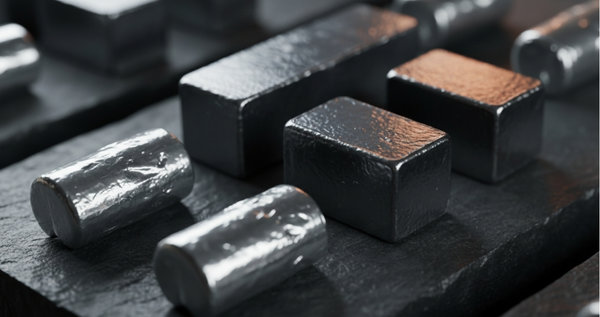 Figure 1: Mirror-finish high-purity metal ingots ready for precision applications
Eata Energy addresses these challenges through rigorous raw material sourcing, advanced purification partnerships, and multi-stage quality verification. Every batch undergoes characterization using ICP-MS, GDMS, XRF, and other analytical techniques to ensure impurity profiles meet or exceed stated specifications.
The following table summarizes the primary metals in our catalog, typical purity grades, and dominant application sectors. Each material is available in multiple forms including ingots, foils, powders, sputtering targets, and custom-configured pieces.
| Metal | Purity Range | Key Applications | Available Forms |
| Lithium | 3N – 4N | Solid-state batteries, alloys | Foil, ingot, granules |
| Cobalt | 3N – 3N5 | Cathode materials, superalloys | Cathode pieces, powder |
| Nickel | 3N – 4N | Battery precursors, plating | Pellets, sheet, powder |
| Copper | 5N – 6N | Interconnects, conductors | Targets, foil, wire |
| Aluminum | 4N – 5N5 | Semiconductor metallization | Targets, foil, pellets |
| Titanium | 3N – 5N | Diffusion barriers, implants | Targets, sponge, sheet |
| Gallium | 4N – 7N | GaAs/GaN substrates, LEDs | Liquid, solid, oxide |
| Indium | 4N – 6N | ITO films, solder, CIGS | Foil, wire, ingot |
| Germanium | 5N – 6N | IR optics, photovoltaics | Crystal, polycrystalline |
| Tin | 3N – 5N | Solder, perovskites, plating | Granules, bar, powder |
Lithium metal, the lightest solid element, sits at the heart of next-generation energy storage. We supply lithium in ultra-high purity forms suitable for solid-state battery research, lithium-metal anode development, and advanced electrolyte formulation. Available as foil, ribbon, ingot, and dispersed powder under inert atmosphere packaging.
Cobalt and nickel represent the backbone of cathode active materials for lithium-ion batteries. Our battery-grade cobalt and nickel products meet the strict impurity thresholds required for NMC, NCA, and LNO cathode synthesis. Both metals are also widely used in superalloy research, catalysis, and magnetic materials development.
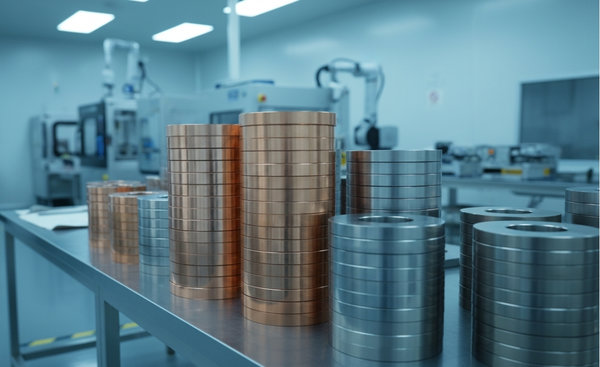 Figure 2: Precision-machined sputtering targets for thin-film deposition systems
Copper and aluminum remain indispensable in microelectronics fabrication and electrical engineering research. Our ultra-high-purity copper (up to 6N) serves interconnect and seed-layer studies, while high-purity aluminum (up to 5N5) supports gate metallization, bond pad formation, and corrosion protection coating research. Both materials exhibit exceptional electrical conductivity and thermal transfer characteristics essential for high-performance device prototyping.
Titanium combines exceptional corrosion resistance with high strength-to-weight ratio and biocompatibility. In semiconductor contexts, titanium serves as a critical adhesion promoter and barrier layer material in multilayer thin-film stacks. Our electronic-grade titanium (up to 5N) targets and evaporation materials deliver consistent deposition characteristics for research-scale and pilot-line PVD systems.
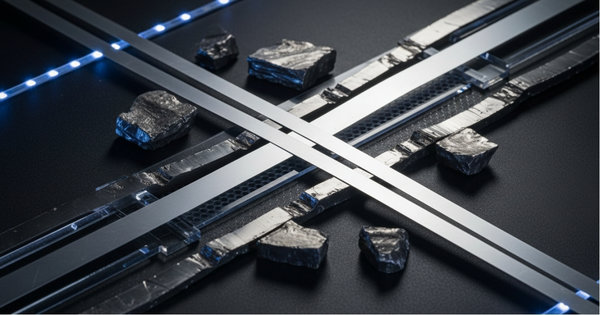 Figure 3: Advanced battery-grade metals enabling next-generation energy storage research
These specialty metals unlock capabilities in optoelectronics, compound semiconductor synthesis, and advanced photovoltaic research. Gallium enables GaAs and GaN device fabrication; indium is essential for ITO transparent conductors and CIGS solar cells; germanium provides high-mobility substrates for infrared optics and multijunction photovoltaics; tin serves as a key solder component and precursor for perovskite and other emerging material systems.
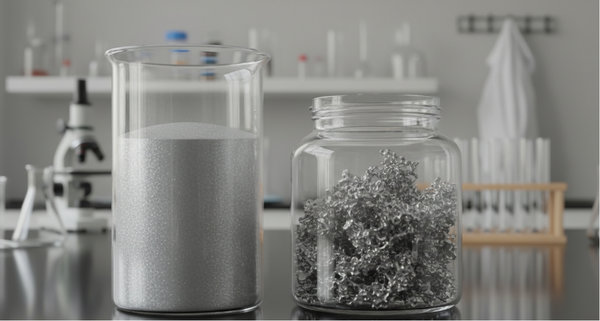 Figure 4: High-purity metal powders and sponge materials for research and alloying
Transparency in material characterization underpins reproducible research. Every high-purity metal shipment from Eata Energy includes a comprehensive Certificate of Analysis documenting the specific purity grade, measured impurity profile, and relevant physical properties. We routinely employ inductively coupled plasma mass spectrometry (ICP-MS), glow discharge mass spectrometry (GDMS), and X-ray fluorescence (XRF) to verify material conformance. Custom analytical packages can be arranged for projects requiring enhanced characterization protocols.
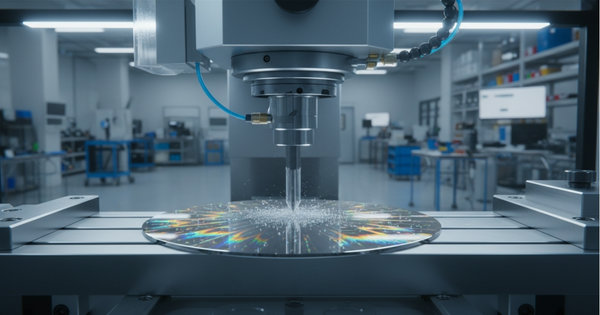 Figure 5: Precision CNC machining delivering tight-tolerance custom metal components
We recognize that breakthrough research often demands materials outside standard catalog offerings. Eata Energy maintains active partnerships with specialized refiners and processors to deliver custom-configured high-purity metals tailored to your exact specifications. Whether you require non-standard alloy compositions, specific grain structures, unusual geometries, or enhanced purity levels beyond our standard grades, our technical team works directly with your researchers to define, source, and validate bespoke material solutions.
Engage our materials specialists early in your project planning to ensure optimal material selection and specification alignment with your research objectives.
| Catalog Number | Product Name | Order | Quantity |
|---|---|---|---|
| HPM-0001 | Antimony, 99.99995% (6N5) | Inquiry | |
| HPM-0002 | Bismuth Beads, 99.999% (5N) | Inquiry | |
| HPM-0003 | Bismuth Needle, 99.999% (5N) | Inquiry | |
| HPM-0004 | Bismuth Powder, 99.99% (4N) | Inquiry | |
| HPM-0005 | Bismuth Ingot, 99.999% (5N) | Inquiry | |
| HPM-0006 | Cadmium Ingot, 99.999995% (7N5) | Inquiry | |
| HPM-0007 | High-Purity Carbon Powder, 99.999% (5N) | Inquiry | |
| HPM-0008 | N4 | Inquiry | |
| HPM-0009 | N6 | Inquiry | |
| HPM-0010 | Zinc Lump, 99.999995% (7N5) | Inquiry |
For Research or Industrial Raw Materials, Not For Personal Medical Use!
|
There is no product in your cart. |

Eata Energy is your trusted partner for high-performance energy materials, customized R&D support, and a stable global supply chain. We support you every step of the way in energy innovation.
Enter your E-mail and receive the latest news from us.
Copyright © Eata Energy. All rights reserved.
