
When operational conditions push past the limits of standard stainless steels, nickel-based alloys step in as the material of choice. With nickel content exceeding 50% and strategic additions of chromium, molybdenum, niobium, and other elements, these alloys deliver an unmatched combination of high-temperature strength, oxidation resistance, and corrosion protection that few other material families can match.
At Eata Energy, we stock and source a comprehensive range of nickel-based alloys spanning corrosion-resistant grades like Hastelloy C-276, high-strength precipitation-hardened alloys such as Inconel 718, and versatile solid-solution alloys including Inconel 625. Whether your project involves turbine components operating at 650 C or chemical vessels exposed to aggressive acids, our materials meet the challenge with certified quality and full traceability.
Each alloy in our portfolio has been selected based on demonstrated performance in demanding industrial settings. Below is an overview of the grades most frequently specified by engineers and procurement teams worldwide.
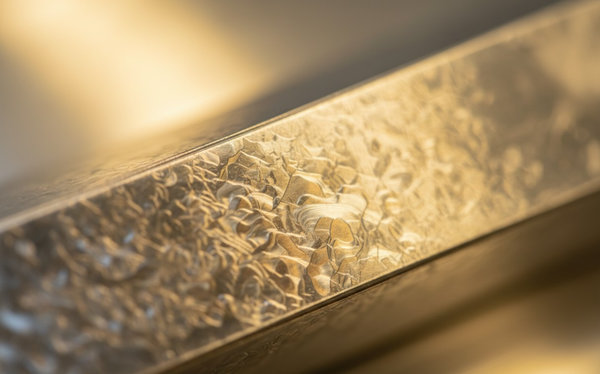 Polished Inconel 718 bar stock showing characteristic metallic grain structure
Inconel 718 commands roughly one-third of global superalloy production by volume, a figure that speaks to its extraordinary versatility. This age-hardenable alloy achieves tensile strengths reaching 1,380 MPa through a dual precipitation mechanism involving gamma prime (Ni3(Al,Ti)) and gamma double-prime (Ni3Nb) phases. What truly distinguishes 718 from competing grades is its sluggish aging response, components can be welded and formed in the solution-treated condition, then aged to full strength after fabrication.
The alloy retains usable mechanical properties from cryogenic temperatures (-253 C) up to approximately 700 C, making it equally suitable for rocket engine hardware and nuclear reactor internals. Standard specifications include AMS 5662 for bar and forgings, AMS 5596 for sheet and plate, and AMS 5589 for tubing.
Where corrosion resistance takes priority over maximum strength, Inconel 625 consistently emerges as the top candidate. Its high molybdenum (8-10%) and niobium (3.15-4.15%) content generates exceptional resistance to pitting, crevice corrosion, and chloride-induced stress corrosion cracking. The alloy derives its strength from solid-solution hardening rather than precipitation, which eliminates the need for complex heat treatments and keeps the material ductile and weldable in the as-supplied condition.
Marine exhaust risers, chemical reactor cladding, flue gas desulfurization scrubbers, and nuclear fuel element jackets all benefit from 625's balanced property profile. Service temperatures range from cryogenic to 980 C in intermittent exposure.
Hastelloy C-276 stands as one of the most universally corrosion-resistant alloys commercially available. Its high molybdenum (15-17%) and tungsten (3-4.5%) additions create formidable protection against oxidizing and reducing acids, chloride-bearing media, and hypochlorite solutions. Few alloys can claim resistance to wet chlorine gas, yet C-276 handles this aggressively corrosive medium with confidence.
Chemical reactor vessels, pharmaceutical processing equipment, pollution control scrubbers, and pulp bleaching systems frequently specify C-276 when process reliability outweighs material cost considerations. The alloy maintains structural integrity up to 675 C in oxidizing service.
Monel 400 offers a compelling value proposition for applications demanding solid corrosion resistance without the premium price tag of higher-nickel superalloys. As a binary nickel-copper alloy with roughly 67% nickel and 30% copper, it excels in seawater, hydrofluoric acid, and alkaline environments. Tensile strength of 550 MPa in the annealed condition proves adequate for valves, pump shafts, fasteners, and heat exchanger tubes across marine and chemical processing installations.
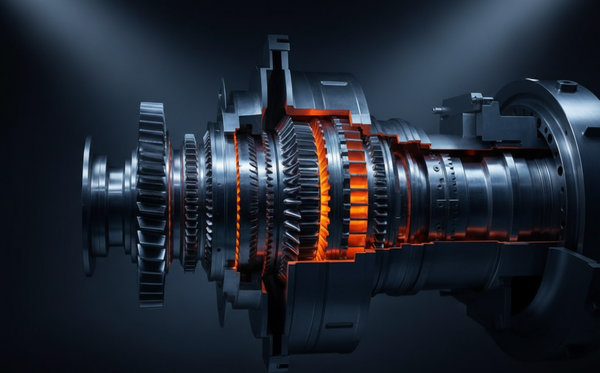 Cross-section of industrial gas turbine showing nickel alloy hot section components
Turbine discs, compressor blades, combustion chambers, and fasteners in modern jet engines rely heavily on Inconel 718 and related grades. The slow aging kinetics of 718 enable fabrication of complex geometries before hardening, while its fatigue crack growth resistance extends component life under cyclic thermal and mechanical loading.
Reactors, distillation columns, heat exchangers, and piping systems handling aggressive acids and chlorides specify Hastelloy C-276 or C-22 for critical wetted surfaces. Inconel 625 often serves as a cost-effective alternative in mixed acid environments where concentrations remain moderate.
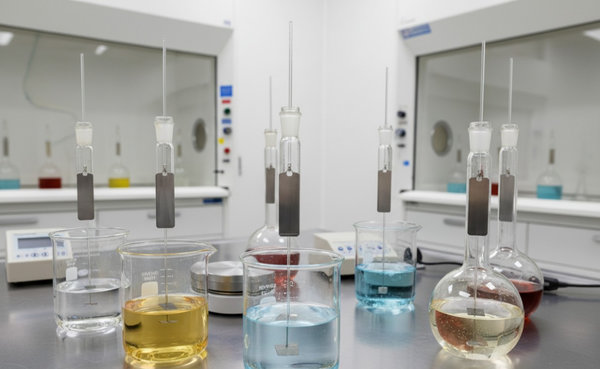 Laboratory corrosion testing of nickel alloy specimens in various chemical solutions
Propeller shafts, seawater piping, desalination plant components, and subsea connectors encounter some of the most corrosive natural environments on Earth. Both Monel 400 and Inconel 625 demonstrate decades-long service life in continuous seawater exposure, with 625 offering additional strength for highly stressed components.
Gas turbine hot gas path components, nuclear steam generator tubing, and concentrated solar power receiver tubes all push materials to their thermal limits. Nickel alloys maintain creep resistance and oxidation protection at temperatures where conventional steels have long since softened.
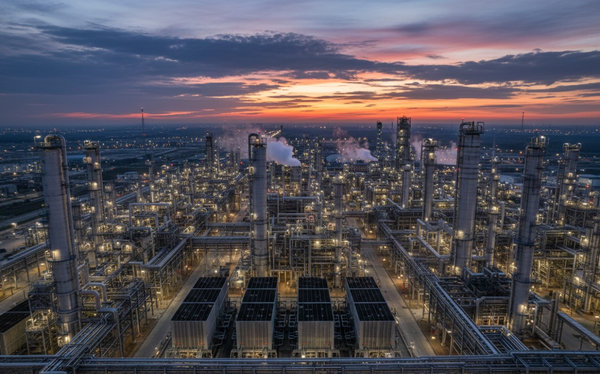 Large-scale chemical processing facility utilizing nickel alloy piping and heat exchange systems
Selecting the appropriate alloy begins with understanding how key properties differ across grades. The following table provides representative values for the most commonly specified nickel alloys in our inventory:
| Alloy Grade | Ni (%) | Cr (%) | Mo (%) | Tensile (MPa) | Max Temp (C) |
| Inconel 718 | 50-55 | 17-21 | 2.8-3.3 | 1240-1380 | 700 |
| Inconel 625 | 58 min | 20-23 | 8-10 | 690-930 | 980 |
| Hastelloy C-276 | Bal | 14.5-16.5 | 15-17 | 690-790 | 675 |
| Hastelloy X | 47-53 | 20-23 | 8-10 | 620-760 | 1200 |
| Monel 400 | 63-70 | - | - | 480-550 | 480 |
| Monel K-500 | 63-70 | - | - | 900-1100 | 650 |
| Inconel 600 | 72 min | 14-17 | - | 550-690 | 1095 |
Eata Energy supplies nickel-based alloys in virtually every standard mill form, with custom dimensions and processing services available on request:
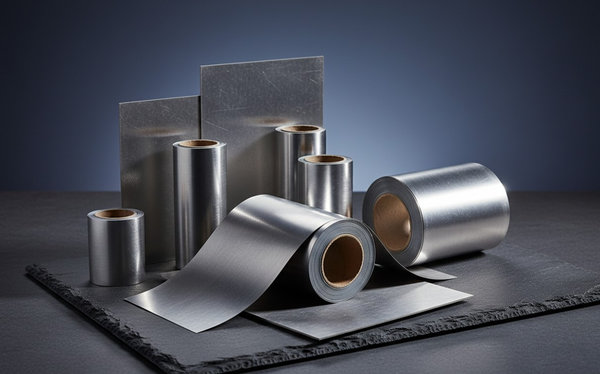 Assortment of nickel alloy sheets and foil rolls in various thicknesses and surface finishes
Beyond our standard inventory, Eata Energy welcomes inquiries for custom alloy compositions, proprietary melt practices, and specialized processing routes. Our metallurgical engineering team can assist with material selection based on service environment, structural analysis for mechanical design, and process development for challenging fabrication requirements.
From small prototype quantities to full production campaigns, we structure our supply agreements to match your project timeline and volume requirements. Contact our technical sales team to discuss your specific nickel alloy needs and receive a detailed quotation with material certifications.
| Catalog Number | Product Name | Order | Quantity |
|---|---|---|---|
| HPANBA-0001 | Magnetic Shielding Alloy Foil (Ni77Fe14Cu5Mo4) | Inquiry | |
| HPA-QCY-0001 | Aluminum Nickel Alloy | Inquiry | |
| HPANBA-0002 | Mischmetal-Nickel Hydrogen Storage Alloy | Inquiry | |
| HPA-QCY-0002 | Aluminum Nickel Cobalt Alloy | Inquiry | |
| HPANBA-0003 | Neodymium-Iron-Boron Permanent Magnet Alloy Sheet | Inquiry | |
| HPA-QCY-0003 | Aluminum Nickel Copper Magnesium Alloy | Inquiry | |
| HPANBA-0004 | Lanthanum-Nickel-Cobalt Hydrogen Storage Alloy | Inquiry | |
| HPA-QCY-0004 | Beryllium Nickel Alloy | Inquiry | |
| HPANBA-0005 | Inconel 718 Heat-Resistant Alloy Foil | Inquiry | |
| HPA-QCY-0005 | Chromium Carbide - Nickel Chromium Composite Powder | Inquiry |
For Research or Industrial Raw Materials, Not For Personal Medical Use!
|
There is no product in your cart. |

Eata Energy is your trusted partner for high-performance energy materials, customized R&D support, and a stable global supply chain. We support you every step of the way in energy innovation.
Enter your E-mail and receive the latest news from us.
Copyright © Eata Energy. All rights reserved.
