
From thin-film growth and sol-gel processing to catalysis and energy-device research, the performance of a metal-organic material depends on more than the identity of the metal. Ligand architecture, volatility, thermal behavior, purity, solubility and trace impurities can all influence how a precursor reacts, deposits or converts into a functional material. Eata Energy supplies metal organic compounds and related organometallic materials selected for controlled use in advanced research and industrial development.
Our portfolio covers widely used precursor families for oxide, nitride, metal and hybrid-material preparation, together with metal-centered catalysts and synthesis intermediates. Whether a project requires a volatile molecule for vapor-phase deposition, an alkoxide for solution processing or a tailored coordination complex for catalytic chemistry, we help customers identify specifications that fit the intended process rather than relying on a one-size-fits-all grade.
Browse the available metal organic compounds by metal center, ligand family, purity, physical form and application.
 Figure 1. Molecular architecture of a metal-organic coordination complex.
Metal organic compounds is a broad commercial term for metal-containing molecules coordinated by organic ligands. In strict chemical usage, compounds with a direct metal-carbon bond are often called organometallic compounds, while alkoxides, beta-diketonates, amides, carboxylates and related coordination complexes may be described as metal-organic materials. In practical materials procurement, these groups are frequently considered together because their molecular design can provide useful solubility, volatility, reactivity and conversion behavior.
This diversity allows the chemistry to be matched to a process. A metal alkoxide may be chosen for hydrolysis and oxide formation in a sol-gel route, while a metallocene or metal amide may be evaluated for vapor delivery in atomic layer deposition or chemical vapor deposition. A chelated metal complex may instead be selected for catalyst preparation, nanoparticle synthesis or controlled incorporation of a metal center into a functional material.
| Material family | Representative compounds | Key material characteristics | Common application areas |
| Metal alkoxides | Aluminum n-butoxide; aluminum isopropoxide; titanium n-propoxide; titanium isopropoxide; zirconium tert-butoxide; zirconium 2-methyl-2-butoxide | Solution-processable precursors with controlled hydrolysis and oxide-forming behavior | Sol-gel synthesis, ceramic precursors, oxide coatings, optical layers and nanoparticle preparation |
| Metal beta-diketonates and acetylacetonates | Cobalt acetylacetonate; copper(II) acetylacetonate; nickel(II) acetylacetonate; manganese tetramethylheptanedionate; lanthanum tetramethylheptanedionate | Chelated structures with tunable stability, solubility and thermal behavior | Catalyst preparation, vapor deposition research, metal-oxide synthesis and functional additives |
| Metal amides and imido-amide complexes | Hafnium tetrakis(ethylmethylamide); hafnium dimethylamide; hafnium diethylamide; tantalum pentakis(dimethylamide); tris(dimethylamino)tert-amylimino tantalum | Reactive molecular precursors suitable for tightly controlled gas-phase processes | High-k dielectrics, barrier layers, nitride or oxide films, semiconductor process development |
| Metallocenes and cyclopentadienyl complexes | Ferrocene; ruthenocene; diethylruthenocene; cyclopentadienylcobalt dicarbonyl; titanocene-type complexes | Defined metal centers with useful redox, catalytic and thermal properties | Catalysis, advanced synthesis, thin-film research, electroactive materials and polymer chemistry |
| Metal carbonyl and olefin complexes | Cobalt carbonyl; cobalt tricarbonyl nitrosyl; platinum cyclooctadiene complexes; ruthenium cyclooctadiene complexes | Coordinatively reactive compounds that can support metal deposition and catalytic transformations | Metallization, nanoparticle synthesis, hydrogenation, carbonylation and catalyst development |
| Metal carboxylates and phosphine complexes | Zinc carboxylates; cobalt carboxylates; palladium phosphine complexes; rhodium phosphine complexes | Adjustable solubility and ligand environment for solution-phase processing and selective catalysis | Cross-coupling, polymerization, coatings, curing systems and fine-chemical synthesis |
 Figure 2. High-purity metal-organic precursor materials prepared for controlled laboratory use.
The same metal can behave very differently when the ligand system changes.
 Figure 3. Vapor-phase deposition concept using a metal-organic precursor.
Volatile metal-organic precursors are used to investigate conformal films, metal layers, high-k dielectrics, diffusion barriers, optical coatings and other functional surfaces. Candidate materials may include hafnium amides, tantalum amides, ruthenocenes, cobalt complexes, zirconium alkoxides and aluminum-based precursors.
Metal alkoxides and chelated precursors can be hydrolyzed and condensed to form metal-oxide networks. These routes support specialty ceramics, porous materials, protective coatings, antireflection layers and composition-controlled oxide systems.
Metal-centered complexes enable polymerization, hydrogenation, cross-coupling, carbonylation, oxidation and other transformations. Ligand selection can affect activity, selectivity, substrate compatibility and catalyst handling.
 Figure 4. Metal-centered catalyst network for controlled chemical transformations.
Controlled decomposition or reduction of metal-organic precursors can provide routes to metal, alloy and metal-oxide nanoparticles. Suitable compounds may also be evaluated in formulated inks, dispersions and coating systems.
Metal-organic chemistry supports research in battery electrodes, solid-state electrolytes, fuel-cell catalysts, dielectric layers, photovoltaic coatings and protective interfaces. The ability to tailor the metal-ligand combination is especially useful when controlling film composition or nanoscale morphology.
Applications include OLED and LED research, conductive coatings, dielectric films, electrochromic materials, optical dopants and surface-functionalization strategies for microelectronic components.
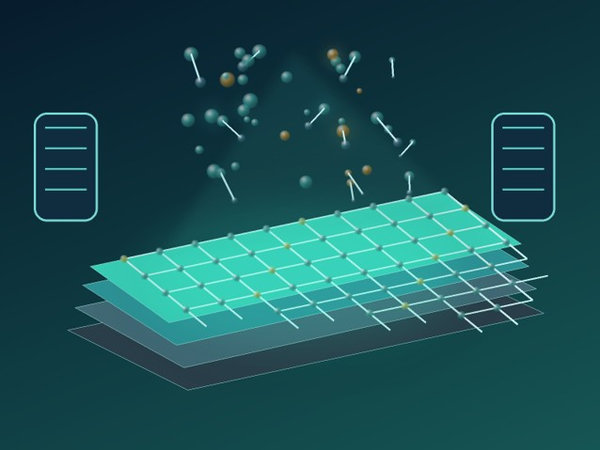 Figure 5. Metal-organic materials supporting advanced energy and electronic interfaces.
Eata Energy can discuss specification requirements around the intended process, analytical method and packaging format. Common request parameters include:
| Parameter | Typical customization focus |
| Purity and assay | Application-appropriate chemical purity, metal assay and main-component content |
| Trace impurity profile | Limits for selected metals, halides, residual solvents or other process-relevant impurities |
| Moisture and oxygen control | Specification targets for compounds or formulations that are sensitive to air or water |
| Physical form | Liquid, crystalline solid, powder, sublimed material or solution |
| Solvent and concentration | Customer-defined solvent systems and concentration ranges for solution delivery |
| Particle characteristics | Particle size or morphology requirements for powders and formulated materials |
| Packaging configuration | Containers and filling formats selected for material compatibility and intended handling |
| Analytical documentation | Available test data may include identity, assay and impurity characterization aligned with the agreed specification |
When a standard compound does not match the required process window, Eata Energy can support custom material development and specification adjustment. Projects may involve a different metal center, modified ligand architecture, alternative purity target, concentration-controlled solution, selected solvent system, physical-form adjustment or application-specific packaging. Our team can also review target uses such as ALD, CVD, MOCVD, sol-gel processing, catalyst preparation, nanoparticle synthesis and functional coating development.
| Catalog Number | Product Name | Order | Quantity |
|---|---|---|---|
| SVDMOC-0001 | Cobaltocene Organocobalt Precursor | Inquiry | |
| SVDMOC-0002 | Tantalum(V) Ethoxide, ≥99% | Inquiry | |
| SVDMOC-0003 | Ultra-High-Purity Zinc Acetate Dihydrate, ≥99.99% Metals Basis | Inquiry | |
| SVDMOC-0004 | Ultra-High-Purity Cerium(III) Acetate Hydrate, ≥99.99% | Inquiry | |
| SVDMOC-0005 | Ultra-High-Purity Tetraethyl Orthosilicate, ≥99.999% Metals Basis | Inquiry | |
| SVDMOC-0006 | Titanium(IV) Isopropoxide, ≥99.9% Metals Basis | Inquiry | |
| SVDMOC-0007 | Silver(I) Acetylacetonate, 98% | Inquiry | |
| SVDMOC-0008 | Antimony(III) Ethoxide, ≥99.9% Metals Basis | Inquiry | |
| SVDMOC-0009 | Tetrakis(dimethylamido)zirconium(IV), 95% | Inquiry | |
| SVDMOC-0010 | Tin(IV) Acetate, ≥95% | Inquiry |
For Research or Industrial Raw Materials, Not For Personal Medical Use!
|
There is no product in your cart. |

Eata Energy is your trusted partner for high-performance energy materials, customized R&D support, and a stable global supply chain. We support you every step of the way in energy innovation.
Enter your E-mail and receive the latest news from us.
Copyright © Eata Energy. All rights reserved.
